 Wrench
Before you call
the tradesperson,
open this.
Wrench is a field manual for homeowners who want to sweat copper joints, wire three-way switches, and diagnose the gurgle under the kitchen sink — without a $150-per-hour bill.
"You can do this."
$150
avg. service call
68%
fixable without a pro
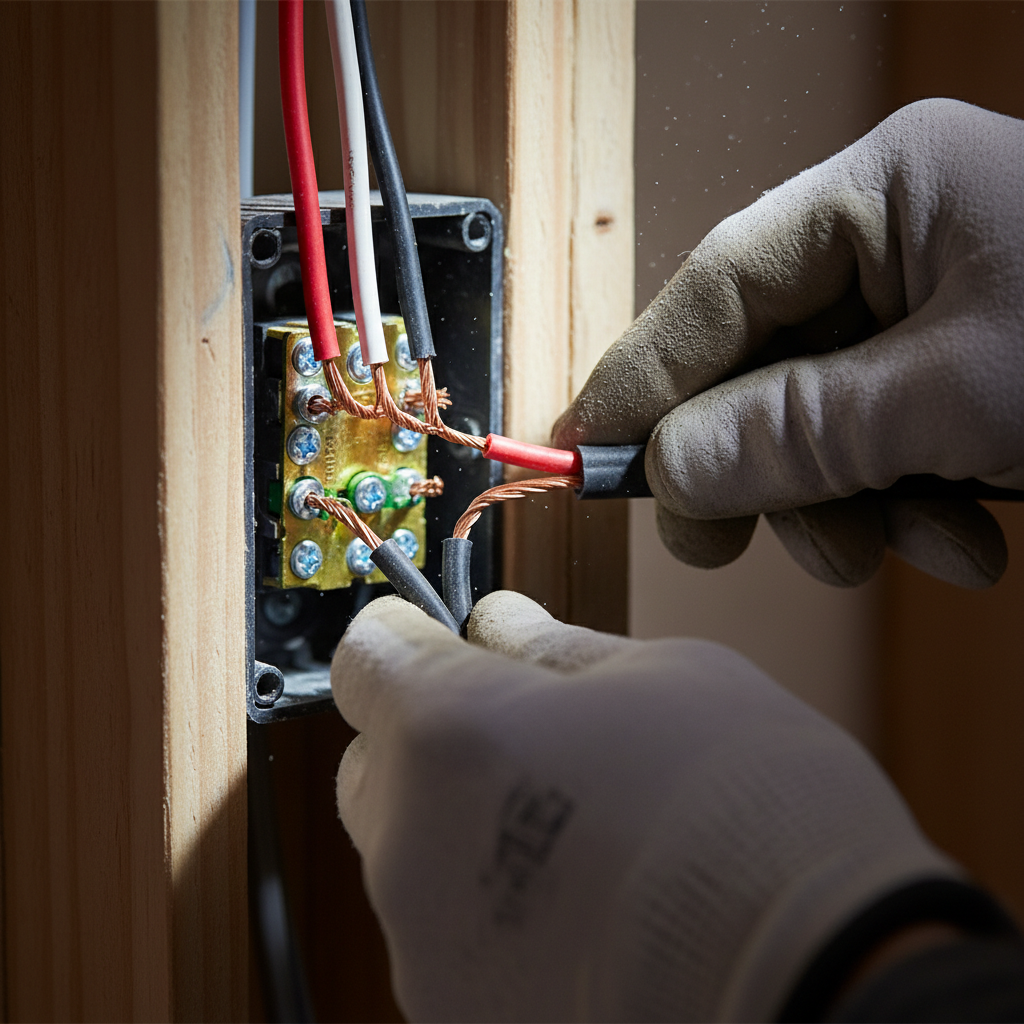
The numbers that built this manual
Before we get into copper fittings and junction boxes, here's why this exists.
$287
Average Service Call
Plumber, first hour including dispatch fee
HomeAdvisor 2025 National Survey
68%
Weekend Emergencies
Home repair calls on Sat–Sun that a homeowner could handle with basic instruction
NAHB Field Study
1-in-3
Permit Violations
DIY electrical and plumbing jobs that fail first inspection due to avoidable errors
ICC Compliance Report 2024
$4,200
Annual Maintenance Spend
Average US homeowner repair bill — 40% reducible with basic skill acquisition
Angi Cost Report 2025
The manual addresses every one of these.
Six chapters. 140 pages. Permit checklists, tool lists, and step-by-step diagrams.
From dripping P-trap to live panel —
the full escalation.
Each chapter is rated for difficulty, permit requirement, and time investment. The manual builds your confidence before it builds your respect for the craft.
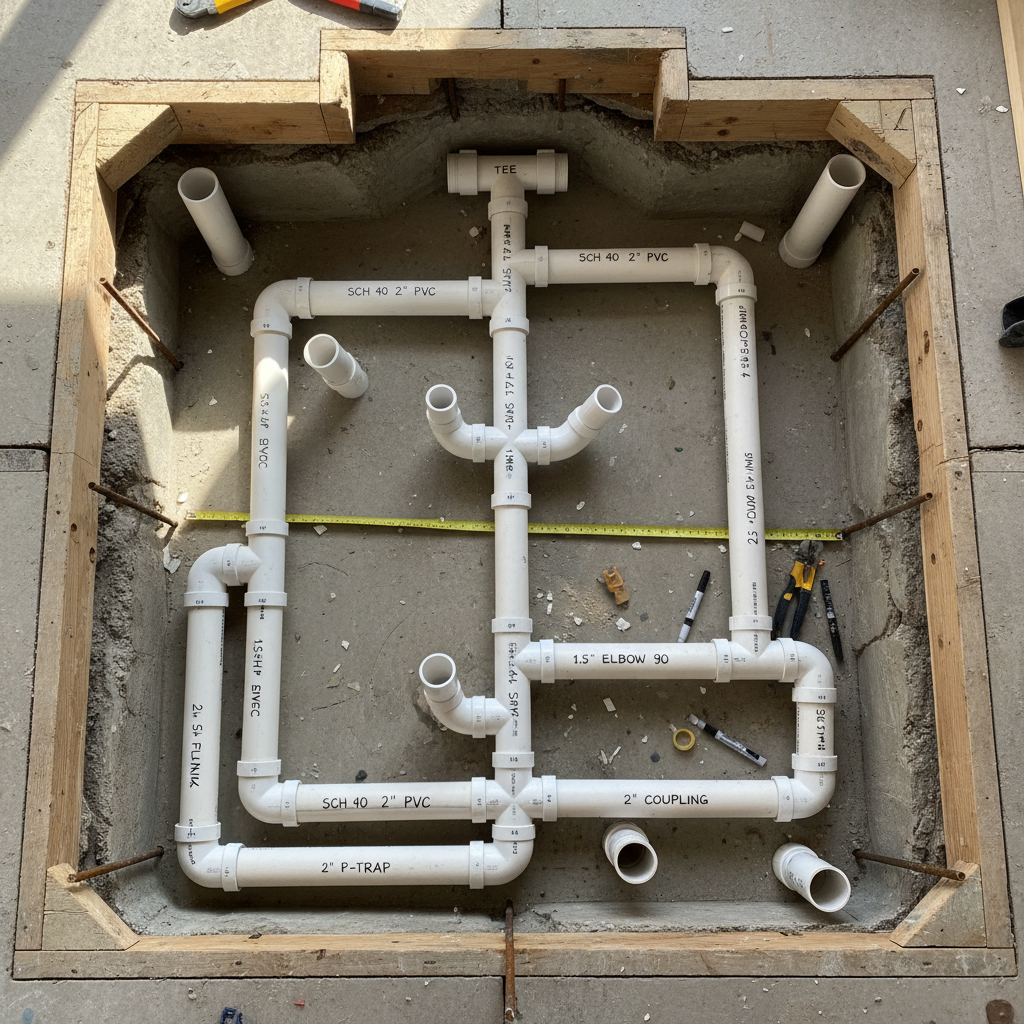
23 min
avg. P-trap fix
Rough Plumbing
beginnerDWV systems, supply lines, and the basics of how water moves through your walls
Anyone can do this tonight
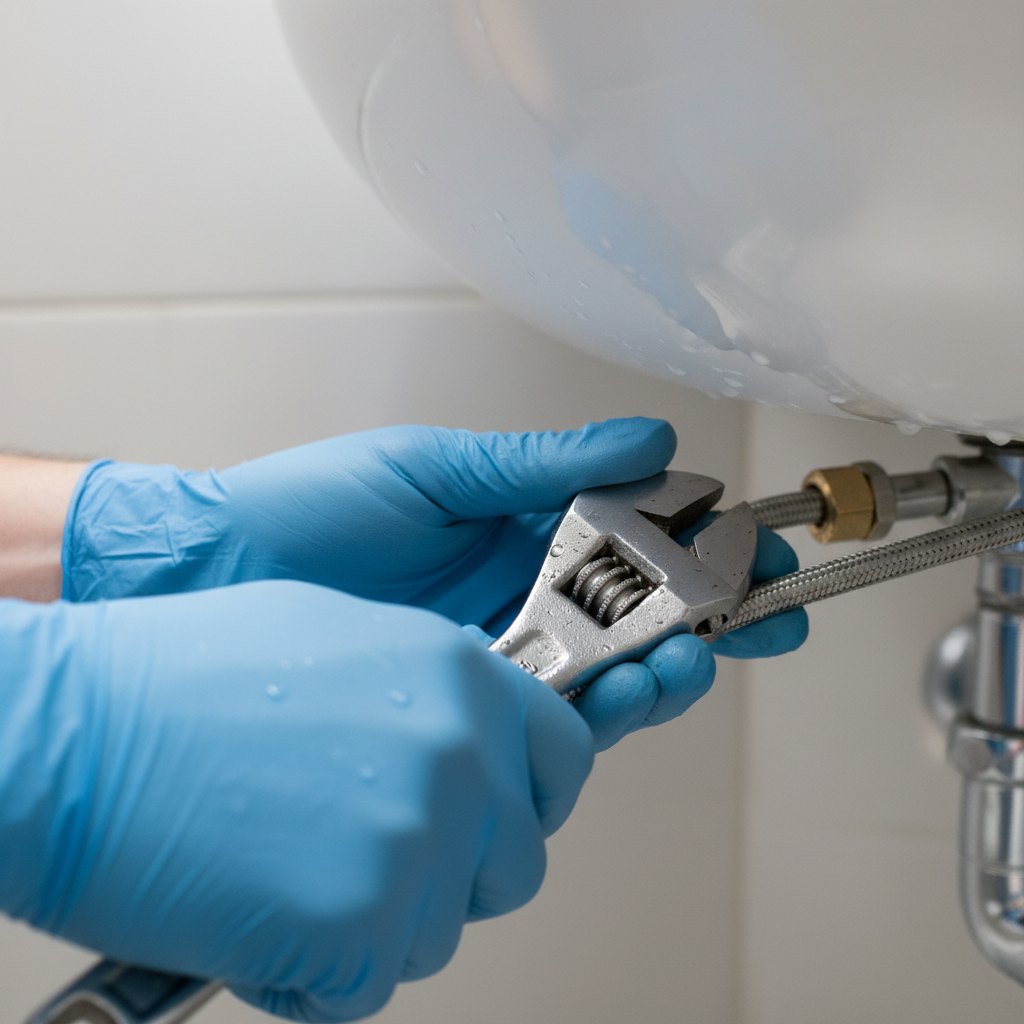
$340
saved vs. plumber
Finish Plumbing
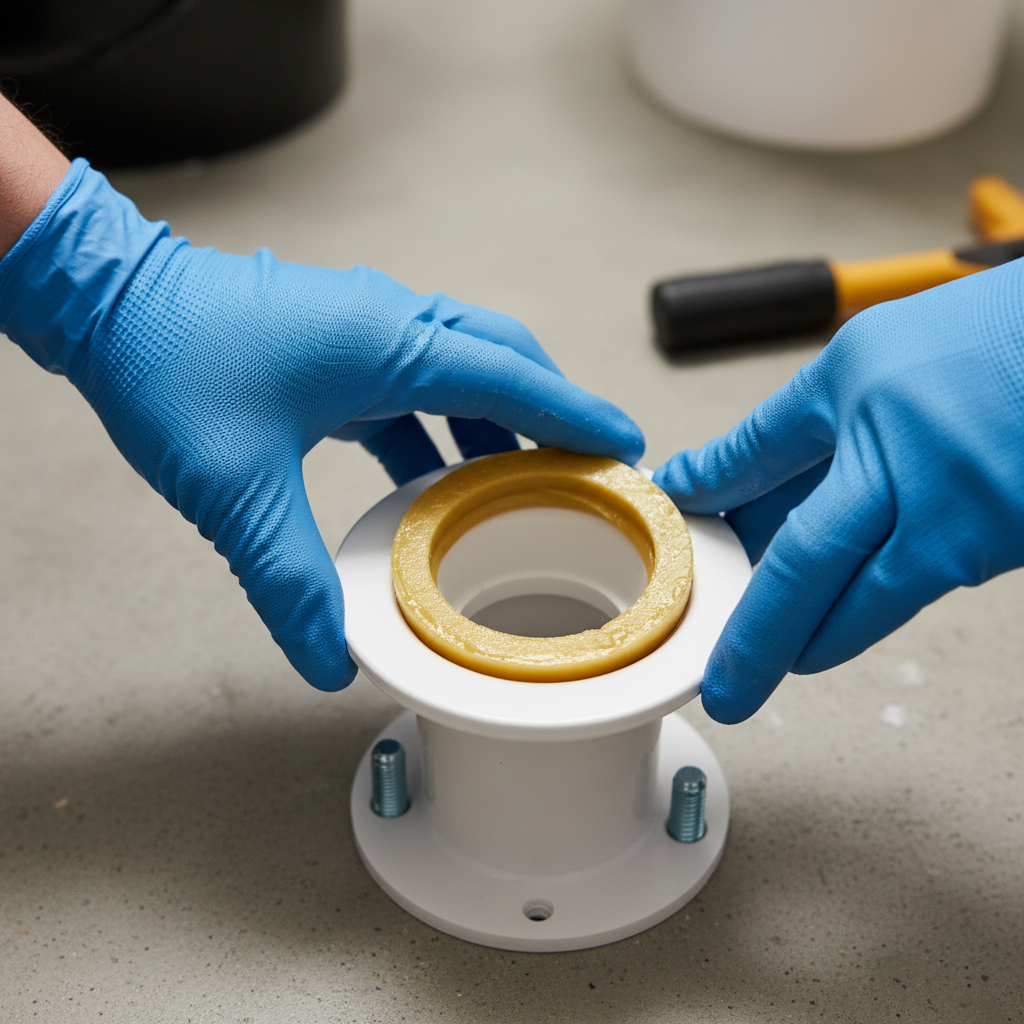
beginnerFaucets, fixtures, wax rings — the final 10% that makes or breaks a bathroom
Weekend project
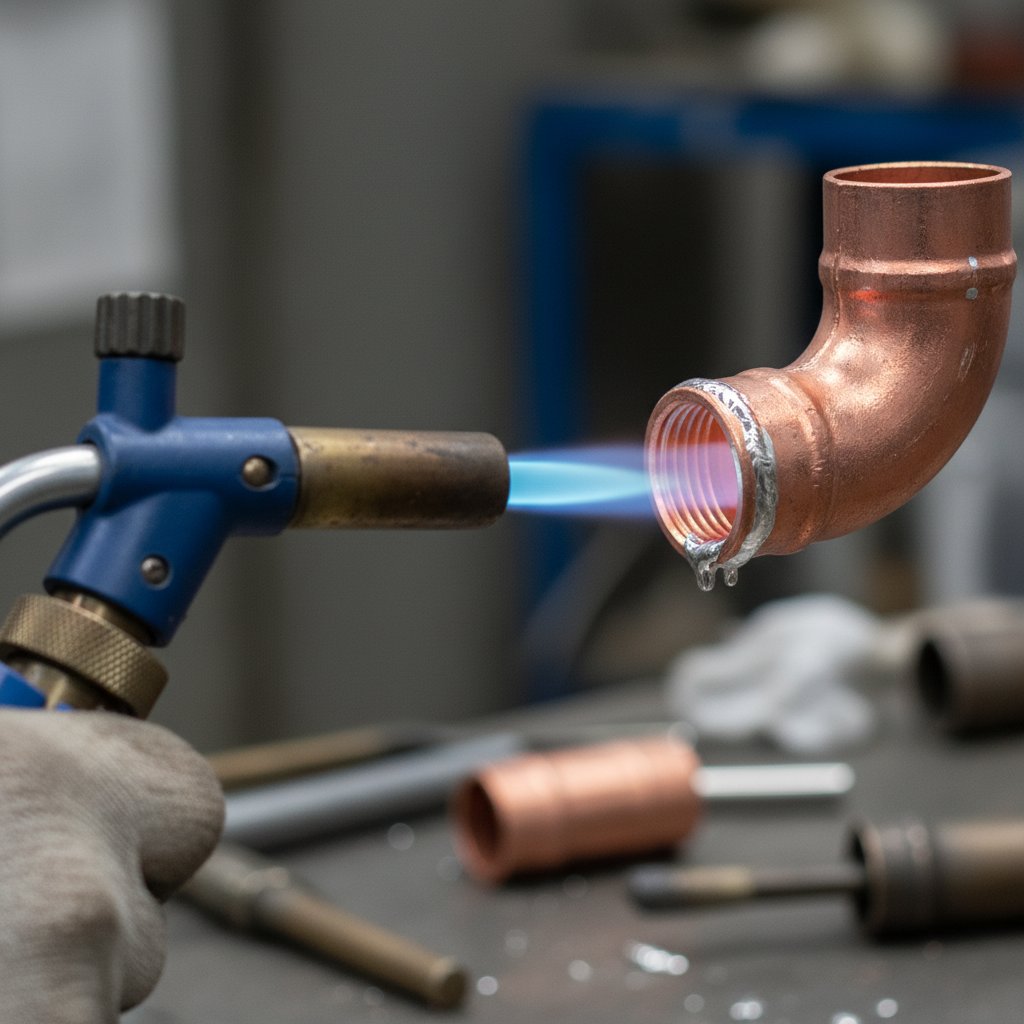
3 hrs
to first clean joint
Sweating Copper
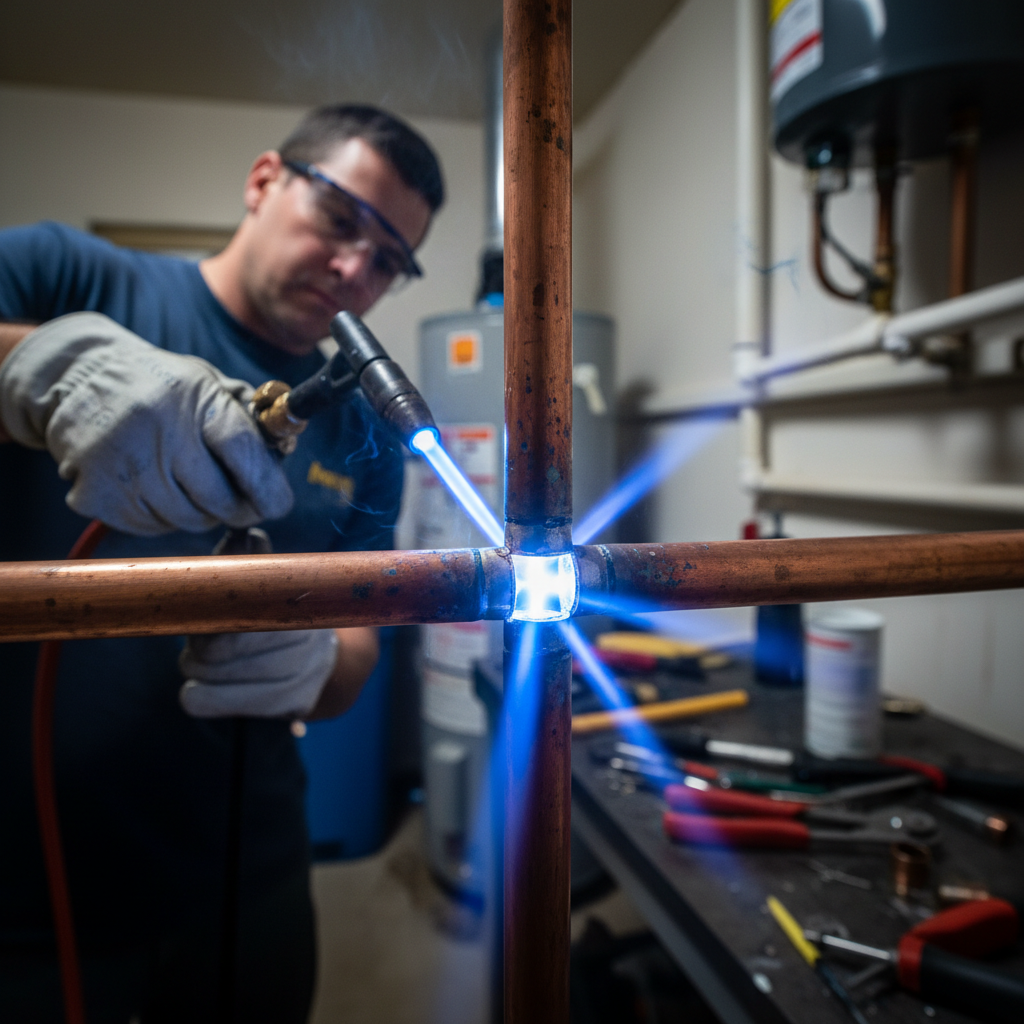
intermediateFlux, solder, and the torch technique that connects your whole supply system
Requires practice joint first
1-in-3
fail first inspection
Low-Voltage Wiring
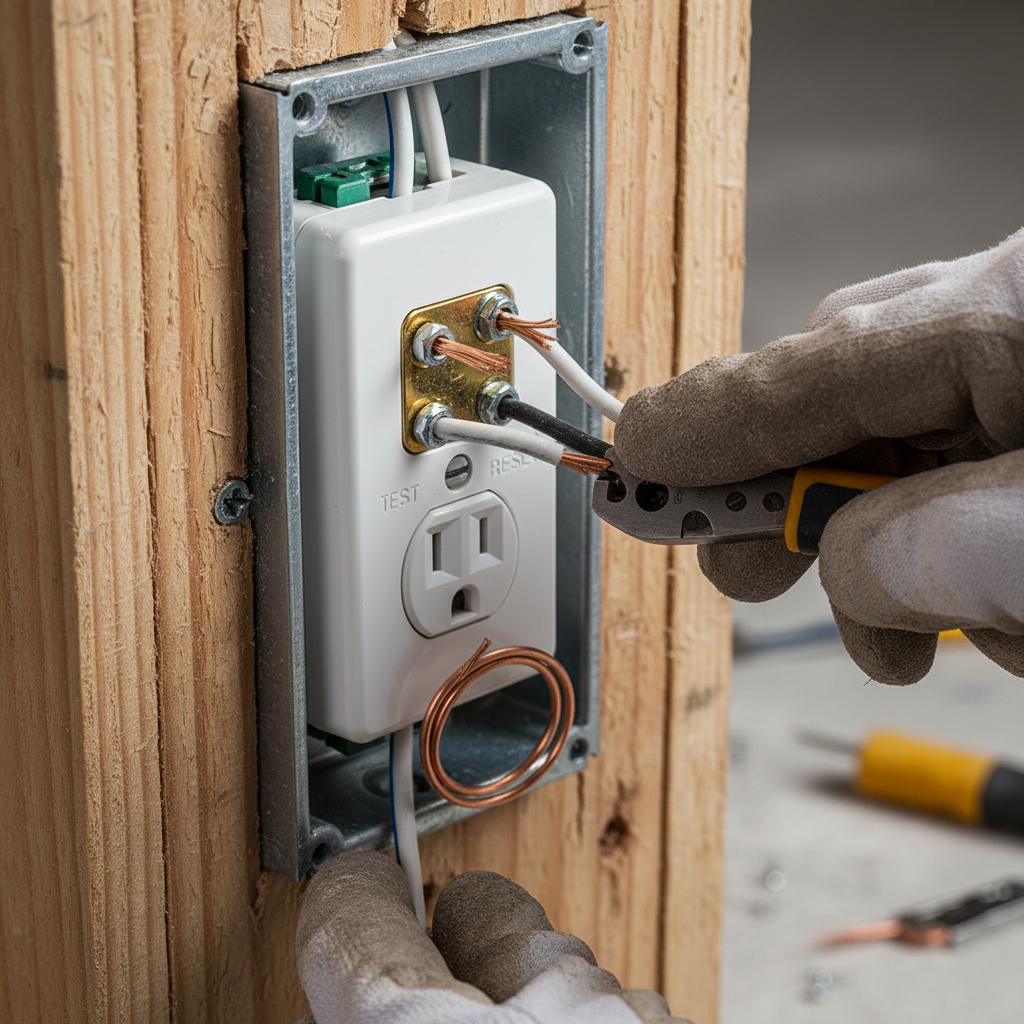
intermediateOutlets, switches, and fixtures — the safe half of your electrical panel
Permit required in most states
Always
permit required
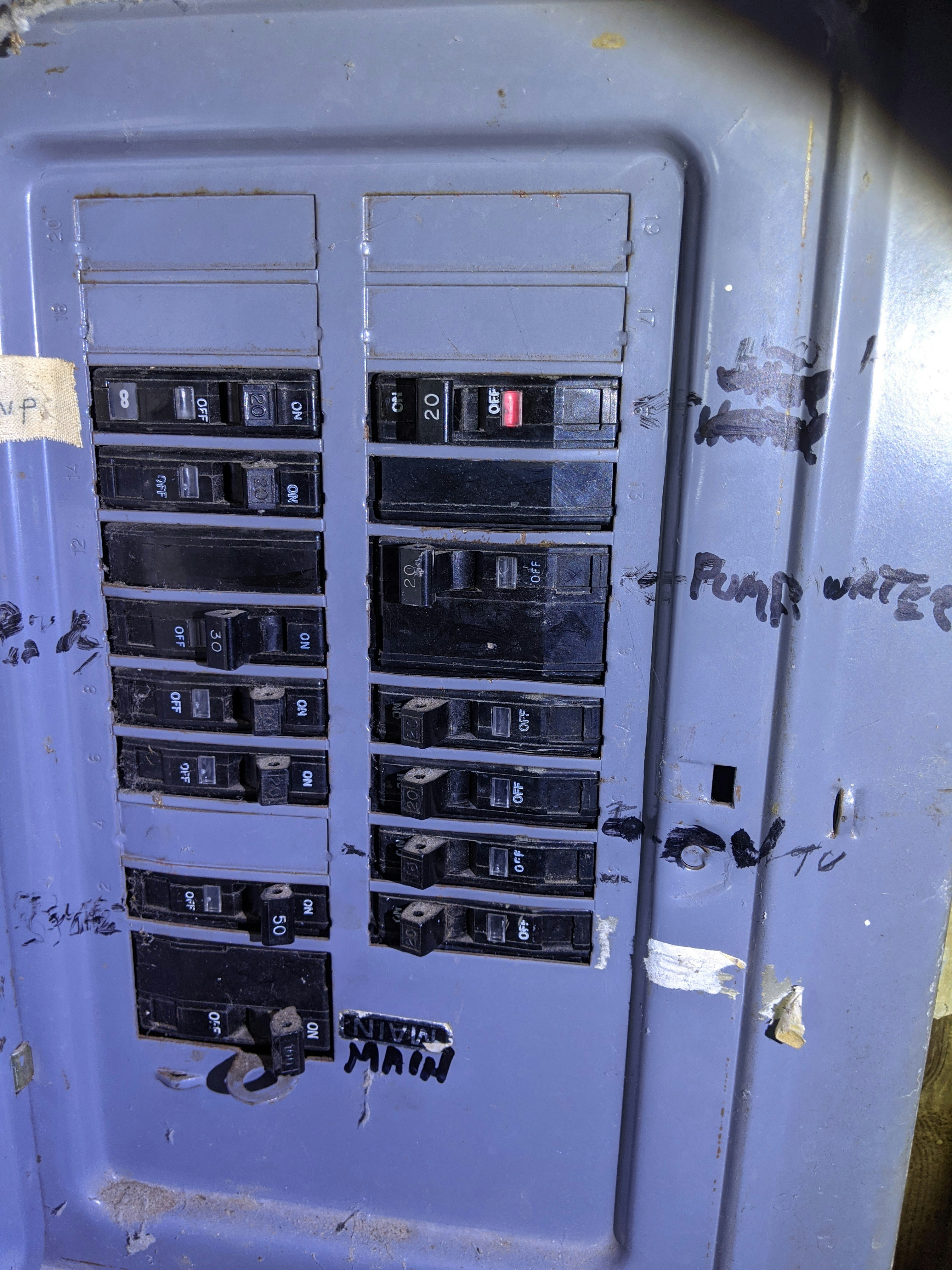
Panel & Circuit Work
advancedBreaker sizing, load calculations, and when to call the licensed electrician
Permit required + partner needed
Chapter 01, ungated.
This is what the manual looks like inside. If the diagram below answers your question, great. If you need the other five chapters, that's the email form.
The gurgle has a diagnosis.
That sound under your kitchen sink isn't mysterious. It's a P-trap that's either too far from the drain stack, partially blocked, or losing its water seal. The cross-section diagram tells you exactly where to look.
Before You Start
Turn off the supply stop under the sink. Test it. If it won't shut fully, replace it first — that's also in Chapter 01.
Chapters 02–05 are gated behind one email.
Sweating copper, 3-way switches, GFCI wiring, panel work. All with the same diagram depth.
The manual that earns
your trust first.
140 pages. Six chapters. Permit checklists for all 50 states. Step-by-step diagrams for every repair in this guide. Written by tradespeople, edited for homeowners.
The questions
at midnight.
These are the real questions — not the ones in the product FAQ, but the ones homeowners ask when the water is running.
In most US jurisdictions: yes, technically. But enforcement varies wildly. What matters is that you do the work correctly — a GFCI outlet wired backward is a fire risk whether or not an inspector sees it. Chapter 04 covers permit requirements by job type and includes a state-by-state lookup in Appendix A.
Gurgling is a venting problem — air is being pulled through the water seal because the drain stack can't equalize pressure fast enough. A slow drain is a blockage. Both are in Chapter 01, with diagnosis flowcharts. You'll know which one you have within 3 minutes of reading.
The first joint is intimidating. The fifth joint is satisfying. The technique is: clean pipe, apply flux, heat the fitting (not the solder), and let capillary action pull the solder in. Chapter 03 walks through every variable — pipe diameter, torch distance, solder alloy — with annotated diagrams. Most people produce a leak-free joint on their second try.
Service entrance work (the wires coming from the utility to your meter), anything inside a live panel with the main breaker on, and any work requiring utility coordination. Chapter 05 is explicit about this — it teaches you enough to understand what the electrician is doing and catch errors, not to replace them for panel-level work.
Every chapter includes a "Stop and Call" decision tree — specific conditions that mean the job has escalated beyond the manual's scope. The manual is designed to build your confidence incrementally, not to get you into situations you can't reverse. Plumbing is more forgiving; electricity is not.
Yes, with a caveat: what you can legally repair yourself in a rental varies by state and lease agreement. Appendix A includes landlord-specific permit and disclosure notes. The skill content is identical — the legal context is layered on top.
Wrench Field Manual — 140 pages, six chapters, permit checklists.